
Effective Altruism
You might be wondering, “what is effective altruism?”

On its face, effective altruism is simple: use evidence and reason to do the most good possible. Rather than donating based on emotion or tradition, adherents argue that money, time and influence should be directed where they produce the greatest measurable impact. The idea has obvious appeal in technocratic circles – particularly among engineers, economists and investors who view complex problems as solvable through data and optimization.
Over the past decade, however, effective altruism has evolved beyond philanthropy into a broader intellectual movement shaping debates about technology, policy and the future of humanity. Its central premise (that morality can be optimized through calculation) has attracted a network of think tanks and nonprofits allegedly focused on managing long-term global risks.
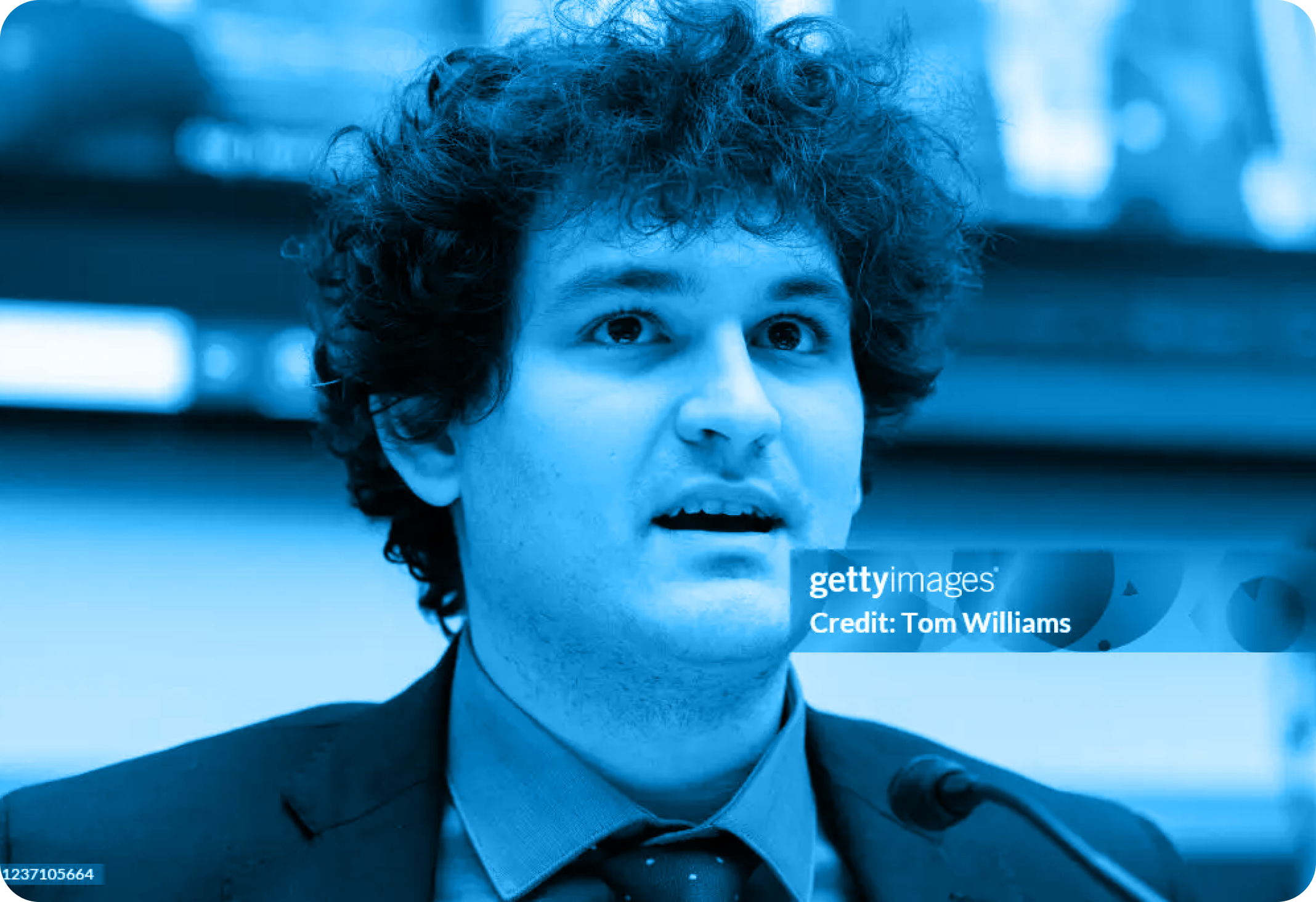
Few figures illustrated this dynamic more vividly than Sam Bankman-Fried. Before the collapse of FTX, he became the public face of effective altruism’s “earn to give” philosophy – the idea that individuals should pursue extremely lucrative careers so they can later donate large sums to high-impact causes. The concept, popularized by thinkers such as William MacAskill, was intended to encourage strategic philanthropy. In practice, it also provided a narrative that reframed extraordinary wealth accumulation as morally necessary.
The influence of effective altruism has made its way into AI governance.
Researchers such as Max Tegmark have argued that rapid advances in AI pose long-term risks to humanity, while companies like Anthropic, led by Dario Amodei, have positioned themselves at the forefront of the AI safety movement. But it’s become a thin veil for creating regulatory frameworks that consolidate influence among a handful of institutions capable of meeting those standards.
The broader concern is not the aspiration to do good efficiently but the incentives the philosophy can create when paired with immense wealth and power. When the pursuit of maximum financial gain is framed as altruism, traditional ethical guardrails can weaken. If extraordinary wealth is ultimately destined for world-improving causes, the process of acquiring that wealth begins to feel morally justified, even when it might otherwise raise serious questions.
It’s enticing, for sure. The promise of doing vast amounts of good in the future can soften skepticism toward aggressive or opaque wealth-building strategies in the present. In that sense, effective altruism can function less as a guide to ethical action than as a reputational shield – one that allows individuals to pursue extraordinary concentrations of wealth while presenting those pursuits as morally enlightened.
